Ruby Flaw Ruby2Shell Fixed
On 18 November 2026, the Ruby project released security updates: Ruby 3.3.14, 3.4.13 and 4.0.10. They close a critical vulnerability that became known as “Ruby2Shell” (CVE-2026-132825). Ruby is a programming language for web applications. It is best known for the Ruby on Rails framework.
The short answer for our hosting customers: your website is protected, you do not need to do anything. The vast majority of websites, for example all those built with WordPress, do not use Ruby at all. For applications that use Ruby, we have provided corrected versions in our hosting and switched the applications over. If you run Ruby on your own server, you will find below what you should do now.
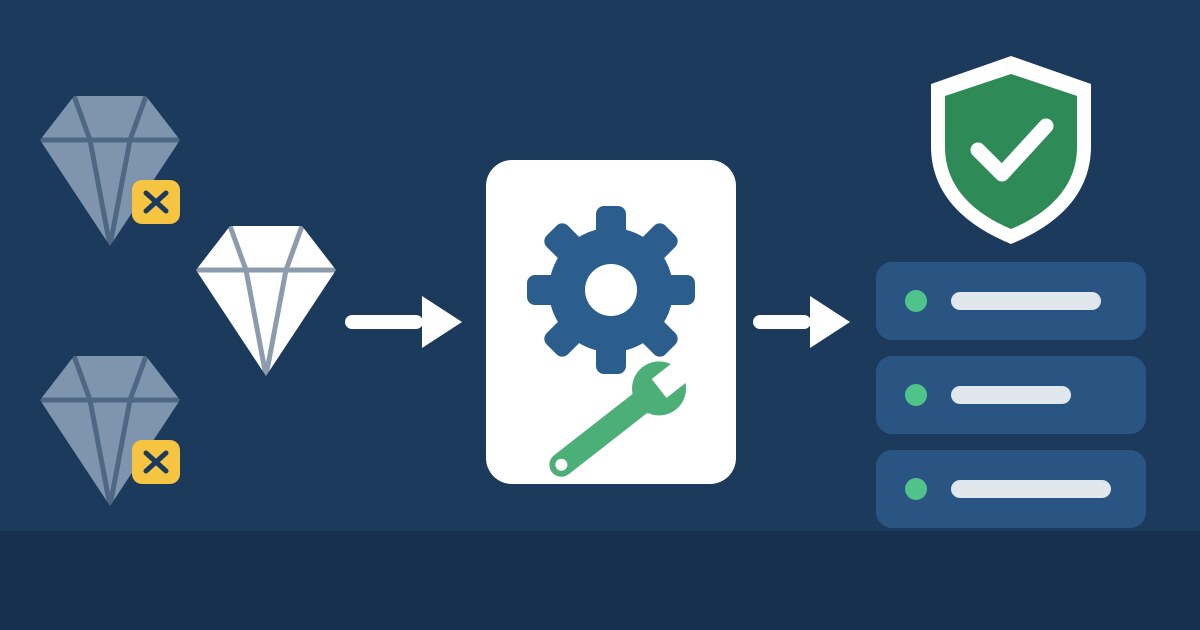
 Ruby is now only available in corrected versions in our hosting.
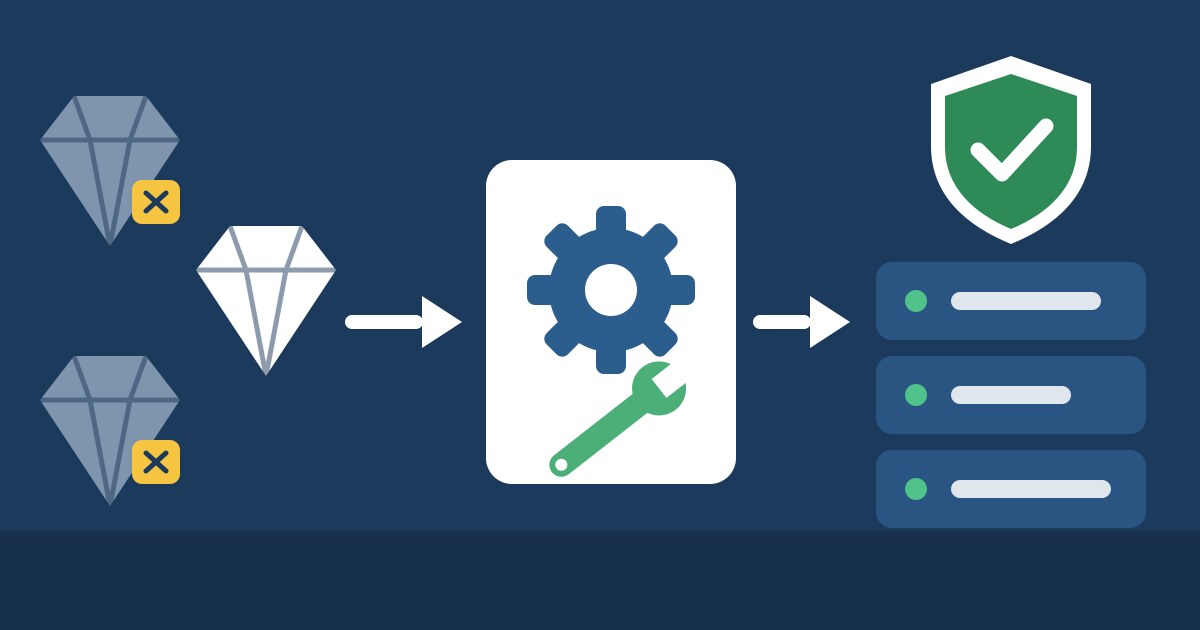 Ruby is now only available in corrected versions in our hosting.
Ruby: A programming language for web applications. Online shops, booking systems and internal tools are built with it, often using the Ruby on Rails toolkit.
Interpreter: The program that runs an application’s Ruby code. It is like the engine of a car: the application is the body, the interpreter drives it. The flaw is in the engine, not in the body.
Vulnerability: An error in a program that an attacker can exploit. It is like a window that can be opened from outside although it should be locked.
Update: A new version of the program in which the error has been fixed. The window gets a new lock.
CVE: Every publicly known security vulnerability is given a unique number worldwide. It works like a case number: all vendors and hosting providers know exactly which vulnerability is meant.
The vulnerability at a glance


What we have done
Corrected versions provided: the vendor of the hosting control panel had not yet supplied corrected Ruby versions. We therefore built Ruby 3.3.14, 3.4.13 and 4.0.10 from source ourselves, tested them and set them up on all Linux hosting servers on 20 November 2026.
Applications switched over: applications that were running on an affected Ruby version were switched to the corrected version on the same day and checked afterwards. We informed the affected customers directly.
Old versions removed: we have removed or blocked affected Ruby versions. Only corrected versions can now be selected in Plesk.
New, automatic: every night, our servers check whether a new Ruby version has been released, build it and make it available. If an application runs on a version with a known vulnerability, it is switched to the corrected version of the same series. The application is checked before and afterwards. If an error occurs, the system returns to the previous state by itself.
What does this mean for you?
As a hosting customer, you do not need to do anything. Your website keeps running as before.
If you develop with Ruby yourself, we have two notes. First: updating Rails or individual gems, for example with bundle update, does not fix this vulnerability. Only the Ruby version matters. Second: please update your development environment as well and enter the new version in your project, so that your code base and the server match.
Who needs to do something?


Your own server with Ruby
On root servers and virtual servers, you manage the system yourself. First check which version is running:
ruby -v
Ruby 3.3.14, 3.4.13 and 4.0.10 or higher are protected. If you manage Ruby with rbenv, update as follows, shown here for the 3.4 series:
git -C "$(rbenv root)"/plugins/ruby-build pull
rbenv install 3.4.13
rbenv local 3.4.13
bundle install
Then restart the application so that it actually runs on the new version. You can check the result with ruby -v in the application directory.
If Ruby comes from your operating system’s packages, install its updates. Please note: several distributions had not yet published corrected packages when this article appeared. Check the security notices of your distribution.
Important: there is no fix for Ruby 3.2 and older. If your application still runs on such a version, switching to Ruby 3.3 or newer is the only safe way. The details are in the announcement by the Ruby project.
Packaged software using Ruby
Programs such as GitLab, Mastodon, Discourse or OpenProject ship with their own Ruby. Only the respective vendor’s update helps there. Check its release notes and install the corrected version.
If you would rather leave this to us, open a ticket for your server in the customer area at https://admin.firestorm.ch and choose the “Upgrade” tile. This service is chargeable; you will see the cost directly when creating the ticket.
We stay on it
We check new security advisories for web servers, programming languages and operating systems continuously and automatically. If a vulnerability becomes known that could affect your website, we act immediately. That way you can focus on your business instead of security bulletins.